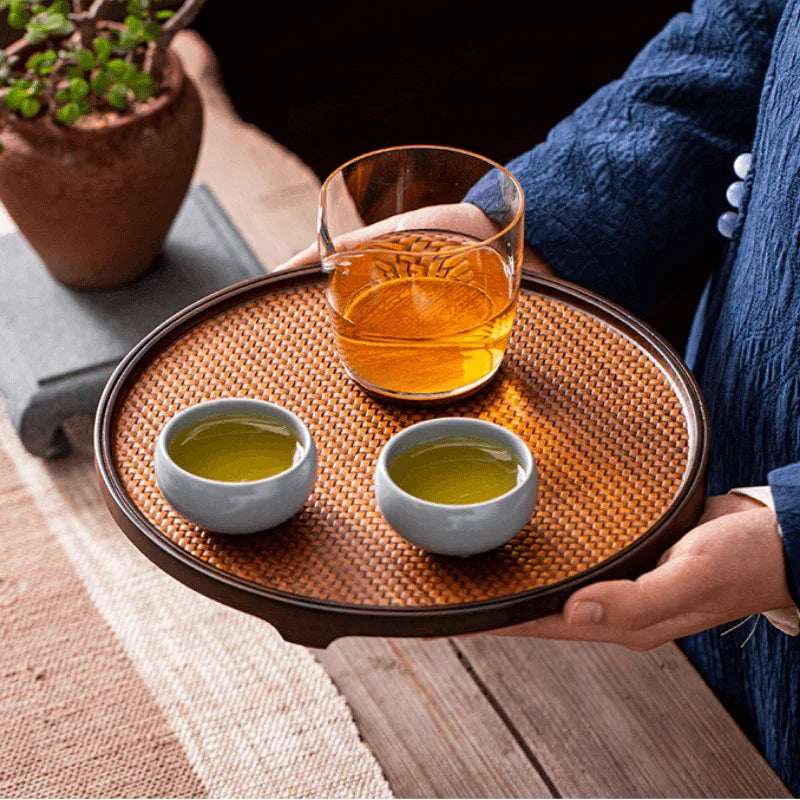
There is a quiet kind of magic in a well-made cup of tea. The same leaves that yield a thin, bitter brew in careless hands can, with a little attention, open into something layered, sweet, and deeply satisfying. The difference is rarely the price of the tea. More often it comes down to four humble variables that anyone can master: the water you choose, the temperature you reach, the time you wait, and the tools you reach for. Get these right and even a modest tea will reward you. Get them wrong and the finest leaf in the world will disappoint.
This guide walks through each of those four pillars in turn, then offers a practical quick-reference you can keep beside your kettle. Whether you are steeping your first pot or refining a ritual you have practiced for years, the goal is the same: to coax the best from the leaf, consistently and without fuss.
Start With the Water
It is easy to forget that a cup of tea is mostly water. By volume, water makes up well over ninety-eight percent of what ends up in your cup, so its quality matters far more than most people expect. If your tap water tastes of chlorine, minerals, or metal on its own, that character will carry straight through into the tea, muddying delicate aromas and flattening sweetness.
Soft, Filtered, and Fresh
The ideal brewing water is clean, soft to moderately mineralized, and free of off-flavors. Very hard water, rich in calcium and magnesium, tends to dull a tea’s brightness and can leave a chalky film on the surface of the cup. Very soft or distilled water, on the other hand, lacks the trace minerals that actually help draw flavor compounds out of the leaf, often producing a brew that tastes strangely flat and lifeless. A gentle middle ground is what you are after.
For most homes, a simple carbon filter jug or an under-sink filter is enough to remove chlorine and improve taste dramatically. If you are lucky enough to have good spring water with a low to moderate mineral content, it can be an excellent choice. The practical takeaway is this: if the water is pleasant to drink on its own, it will usually make pleasant tea.
Why Oxygen and Re-Boiling Matter
Fresh, cold water holds dissolved oxygen, and that oxygen contributes to a lively, rounded cup. Every time water is boiled, some of that dissolved oxygen escapes. Water that has been boiled, left to cool, and boiled again grows progressively flat and is often described as tasting “dead.” For this reason, it is best to fill your kettle with fresh cold water each time and to avoid repeatedly re-boiling the same water throughout the day.
- Use fresh, cold water drawn just before brewing, rather than water that has been sitting in the kettle for hours.
- Avoid re-boiling. Boil only what you need, and start fresh for the next pot.
- Do not over-boil. Bringing water to a rolling, churning boil for several minutes drives off oxygen needlessly. Heat it to the temperature you need and use it.
- Mind off-flavors. Filter out chlorine and strong mineral notes before they reach the leaf.
Tea is, in the end, flavored water. Treat the water with the same respect you give the leaf, and half your work is already done.
Get the Temperature Right
If water is the foundation, temperature is the single most influential variable you actively control. Too hot, and you scald delicate leaves, scorching out harsh tannins and bitter notes while burning off fragile aromatics. Too cool, and you fail to extract the depth and body a tea has to offer, leaving a thin, underwhelming cup. Each tea type has evolved a sweet spot, and learning these ranges is the fastest way to transform your results.
Temperature by Tea Type
The general rule is intuitive once you internalize it: the more delicate and lightly processed the leaf, the cooler the water. Robust, fully oxidized, and fermented teas can take far more heat.
- Green tea — about 75 to 80°C (167 to 176°F). Green teas are unoxidized and full of delicate compounds that turn bitter and grassy when scalded. Cooler water preserves their sweetness and fresh, vegetal character. Tender Japanese greens such as gyokuro often prefer the lower end, around 60 to 70°C.
- White tea — about 80 to 85°C (176 to 185°F). Minimally processed and gentle, whites reward patient, moderate heat that draws out their soft, honeyed delicacy. Sturdier aged or pressed whites can handle hotter water.
- Oolong tea — about 90 to 95°C (194 to 203°F). Partially oxidized, oolongs span a wide range, but most open beautifully with near-boiling water that releases their complex floral and roasted notes.
- Black tea — about 95 to 100°C (203 to 212°F). Fully oxidized black teas are robust enough to take very hot, near-boiling water, which brings out their malty, brisk, full-bodied character.
- Pu-erh and dark teas — about 100°C (212°F). These fermented and aged teas are the most forgiving of heat. A full boil helps unlock their earthy, mellow depth, and many enthusiasts even rinse the leaves with boiling water before the first true infusion.
Hitting the Temperature Without a Thermometer
A variable-temperature electric kettle makes precision effortless, and if you drink a lot of green or white tea it is a worthwhile investment. But you do not need special equipment. If you have only a standard kettle, simply boil the water, then let it stand and cool. As a rough guide, freshly boiled water at sea level drops roughly 10°C for every minute or so it sits in an open vessel, depending on the room and the container.
- For black tea or pu-erh, use the water at or just off the boil.
- For oolong, wait about one minute after boiling.
- For white tea, wait about two to three minutes.
- For green tea, wait around three to five minutes, or pour the boiling water into a second vessel first to shed heat quickly.
Altitude shifts these numbers. In Hong Kong and other near-sea-level cities, water boils at very close to 100°C, but at high elevation it boils cooler, which means delicate teas need less waiting and robust teas may need a touch more steeping time to compensate.
Mind the Timing and the Ratio
Temperature decides how the leaf releases its character; time decides how much of that character ends up in your cup. The two work together, and alongside them sits a third lever that beginners often overlook entirely: the ratio of leaf to water.
Steeping Times
Over-steeping is the most common cause of a bitter, astringent cup. As leaves sit in hot water, they release pleasant flavor compounds first, but with extended contact they begin to give up an excess of tannins and caffeine that turn the brew harsh and drying. The remedy is simple: time your steeps and taste as you go.
- Green tea: roughly 1 to 3 minutes. Start short and lengthen to taste.
- White tea: roughly 2 to 5 minutes for Western-style brewing.
- Oolong tea: roughly 2 to 4 minutes Western-style, far shorter when brewed gongfu.
- Black tea: roughly 3 to 5 minutes; lighter blacks toward the shorter end.
- Pu-erh and dark tea: roughly 3 to 5 minutes Western-style after an initial rinse, or seconds at a time gongfu-style.
Herbal infusions and tisanes are the exception to most of these rules. With no true tea leaf and far fewer tannins, they can steep for five minutes or longer with little risk of bitterness, and many actively benefit from a covered, extended steep.
Leaf-to-Water Ratio: Western vs. Gongfu
There are two broad philosophies of brewing, and understanding the difference unlocks an enormous range of experience from the same tea.
Western style uses a relatively small amount of leaf in a large volume of water, steeped for a few minutes, usually for one or two infusions. A reliable starting point is around 2 to 3 grams of leaf per 200 to 250 millilitres of water, which is roughly one rounded teaspoon for a standard mug. This is the convenient, everyday approach most of us grew up with, and it produces a satisfying single pot.
Gongfu style, the traditional Chinese method, inverts the proportions. It uses a high leaf-to-water ratio in a small vessel, often around 5 to 8 grams per 100 millilitres, and steeps the leaves for very short bursts that begin in mere seconds and grow slightly longer with each round. A single charge of good leaf can yield many successive infusions this way, each one revealing a different facet of the tea as it gradually unfurls.
Western brewing tells you a tea’s whole story in one chapter. Gongfu brewing reads it to you a page at a time, and the tea changes as you listen.
Neither approach is superior; they simply serve different moments. Western brewing suits a busy morning and a large mug. Gongfu brewing suits a slow afternoon spent paying close attention to a tea worth savoring. Fine oolongs, aged pu-erh, and high-grade greens in particular tend to reward the gongfu method, because their complexity reveals itself across multiple short infusions in a way a single long steep cannot capture.
Choose and Prepare Your Tools
You can brew excellent tea with nothing more than a mug and a strainer. But the right teaware makes good results easier to repeat and adds to the pleasure of the ritual. Each vessel has a character of its own.
A Tour of Teaware
- Gaiwan. A lidded bowl with a saucer, the gaiwan is the workhorse of gongfu brewing. Usually made of porcelain, it is neutral in flavor, easy to clean, and lets you control infusions precisely while observing the leaves. Its neutrality makes it an outstanding all-purpose vessel for tasting and comparing teas.
- Yixing clay teapot. Made from a distinctive porous purple clay from Jiangsu, China, the Yixing pot absorbs a little of the tea’s oils with every use and gradually develops a seasoned character. Because it retains flavor, an Yixing pot is traditionally dedicated to a single type of tea, often a darker oolong or pu-erh, and never washed with soap. Over years of use it can subtly enhance the very teas it was made for.
- Glass. Glassware shows off the color of the liquor and the graceful dance of unfurling leaves, which makes it a favorite for delicate greens and for blooming display teas. It is neutral in taste and ideal when you want to watch as much as drink.
- Porcelain. Smooth, non-porous, and flavor-neutral, porcelain is versatile and elegant, suitable for nearly any tea. It retains heat well and is the safe default if you keep only one set of teaware.
Pre-Warming and Decanting
Two small habits separate careful brewers from casual ones, and both take only seconds.
Pre-warm your vessel. Pour a little hot water into your empty teapot, gaiwan, or cup, swirl it, and discard it before you begin. A cold pot steals heat from your carefully measured water the instant you pour, dropping the brewing temperature and weakening extraction, especially for the hotter teas. Warming the vessel first keeps your temperature stable and your results consistent.
Decant completely. When your steep is done, pour off all of the liquid, separating it fully from the leaves. If brewing in a pot or gaiwan, decant into a serving pitcher, sometimes called a fairness cup, so that everyone’s cup tastes the same and so the leaves are not left sitting in water to over-steep. Leaving even a little liquid behind on the leaves makes the next infusion start bitter. Complete decanting is what allows a single charge of leaf to give many clean, balanced infusions.
Common Mistakes to Avoid
Most disappointing cups trace back to a short list of avoidable errors. Recognize these and you will already be brewing better than most.
- Boiling water on green and white tea. The most frequent mistake of all. Scalding water bullies delicate leaves into bitterness. Let it cool first.
- Over-steeping. Walking away and forgetting the timer turns a good tea harsh. Set a timer and decant on time.
- Using too little leaf, then over-steeping to compensate. Weak, watery tea cannot be fixed by leaving the leaves in longer; that only adds bitterness. Add more leaf instead.
- Re-boiling stale water. Flat, oxygen-depleted water makes flat tea. Start fresh.
- Skipping the pre-warm. A cold pot undercuts your temperature and your extraction.
- Leaving leaves sitting in liquid between infusions. Decant fully so each steep starts clean.
- Storing tea badly. Even perfect technique cannot rescue tea that has gone stale. Keep leaves in an airtight, opaque container, away from heat, light, moisture, and strong odors.
- Ignoring your own palate. Published numbers are starting points, not laws. If your cup tastes better a little cooler or a little shorter, trust your taste and adjust.
Your Quick-Reference Brewing Guide
Keep this handy summary near your kettle. The values are sensible starting points for Western-style brewing; treat them as a map, not a cage, and adjust to your own preference.
- Green tea: 75 to 80°C, 1 to 3 minutes, about 2 to 3 g per 250 ml. Cool the water; steep short.
- White tea: 80 to 85°C, 2 to 5 minutes, about 2 to 3 g per 250 ml. Gentle and patient.
- Oolong tea: 90 to 95°C, 2 to 4 minutes Western, or seconds-long gongfu infusions. Multi-infusion friendly.
- Black tea: 95 to 100°C, 3 to 5 minutes, about 2 to 3 g per 250 ml. Near-boiling and bold.
- Pu-erh and dark tea: 100°C, rinse first, then 3 to 5 minutes Western or short gongfu steeps. Forgiving and earthy.
And the universal principles that apply to every cup, regardless of type:
- Use fresh, soft, filtered water, and never re-boil it.
- Match the temperature to the leaf: cooler for delicate, hotter for robust.
- Pre-warm your vessel before you brew.
- Time your steep and decant fully when it is done.
- Taste, observe, and adjust. The best brewing parameters are the ones that please you.
The Joy Is in the Practice
Brewing a perfect cup is not a feat of precision engineering. It is a small, repeatable practice built on a handful of sound principles: respect the water, mind the temperature, watch the time and the ratio, and choose tools that suit both the tea and the moment. Master these and you gain something better than a single perfect cup. You gain the ability to brew a perfect cup again and again, from whatever leaf is in front of you.
Begin with the quick-reference numbers, then let curiosity take over. Try the same oolong Western-style one day and gongfu the next. Notice how a few degrees of temperature reshapes a green tea, or how pre-warming changes the very first sip. Tea rewards attention generously, and the more you pay, the more it gives back. The perfect cup, in the end, is simply the one you have learned to make on purpose.
